
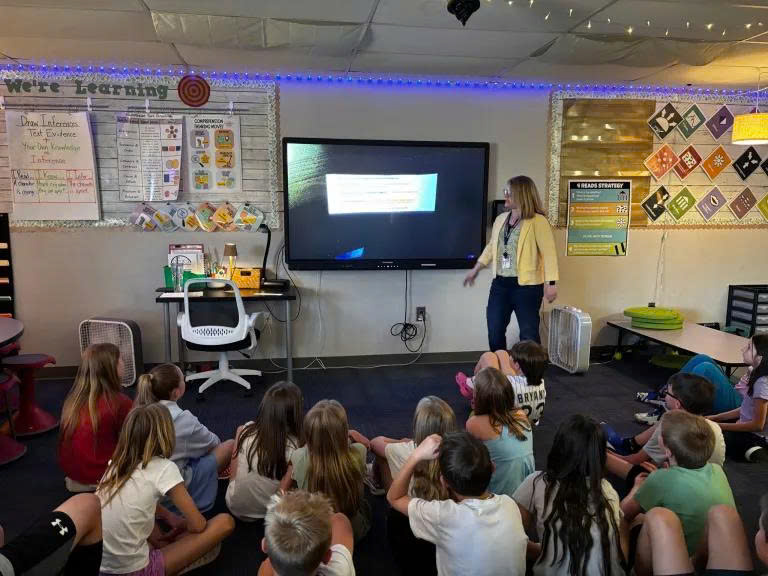
This story [https://hechingerreport.org/the-next-literacy-challenge-teaching-students-how-to-write/] was produced by The Hechinger Report, a nonprofit, nonpartisan news outlet focused on education. Author of the report is Jackie Made, The Hechinger Report.
Dear Teachers, Educational Administrators, and Parents,
Recently, the prestigious education publication The Hechinger Report (USA) published a notable article titled: ‘The next literacy challenge: Teaching students how to write’. The article sounded an alarm about elementary students in the US facing a severe crisis in writing skills – an area left open for years compared to Math and Reading.
From this international reality, the Vietnam Association for Non-Public Preschool Education (VANPPE) wishes to bring a deeper perspective to our affiliated preschools. The root of this deficiency, as well as the key to solving the problem, lies entirely in the children’s early years at preschool.
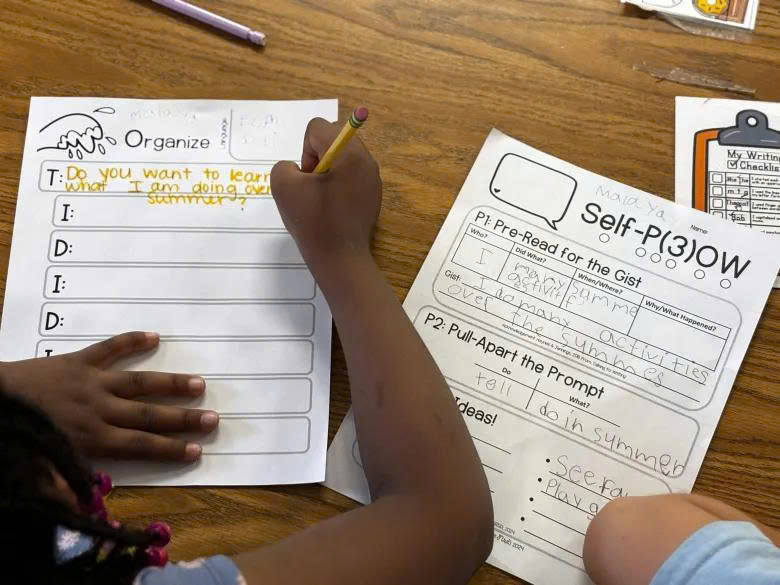
Here are 3 crucial lessons and orientations for our non-public preschool sector:
- An alarm on fine motor skills in the smart device era
A heartbreaking detail mentioned in the article is that an occupational therapist encountered kindergarteners entering first grade who had never seen crayons. They only knew how to ‘color’ by swiping their fingers on an iPad screen, resulting in hand muscles so weak they couldn’t even hold a pencil to write.
This is a profound reminder for non-public preschools. Although we always pioneer in applying educational technology, we absolutely cannot ignore traditional fine motor development activities. Molding clay, tearing and pasting paper, threading beads, and holding paintbrushes and crayons… are not simply games, but ‘bodybuilding’ exercises for hand muscles, preparing the most essential physical foundation before the children officially begin their writing journey in elementary school.
- The prerequisite for ‘writing’ is ‘thinking and language’
According to experts, writing is the most difficult academic task because it requires a combination of background knowledge, vocabulary, and idea organization skills (executive function). At the preschool level, we do not force children to write complete sentences early on, but we can completely ‘teach writing’ through spoken language.
When preschool teachers guide children to retell a story with a beginning – middle – end, when teachers ask questions to help children expand their answers instead of just saying single words, we are training their idea organization thinking. A child with coherent spoken language thinking in preschool will certainly find it easy to transform them into excellent paragraphs in elementary school.
- Equipping ‘resilience’ – An emotional vaccine for children
A fascinating method successfully applied by the Douglas County School District (USA) for older kindergarteners is emotional education before learning to write. Before picking up a pen, children are encouraged to write or speak out positive words of encouragement to themselves such as: ‘I can do this’ or ‘I am smart’.
Our non-public preschool sector has long highly valued Social and Emotional Learning (SEL). The process of practicing writing and penmanship is an arduous journey that easily discourages young children. By building a strong psychology, confidence, and positive thinking, preschool educators are equipping children with a strong ‘immune system’ to overcome future academic pressures.
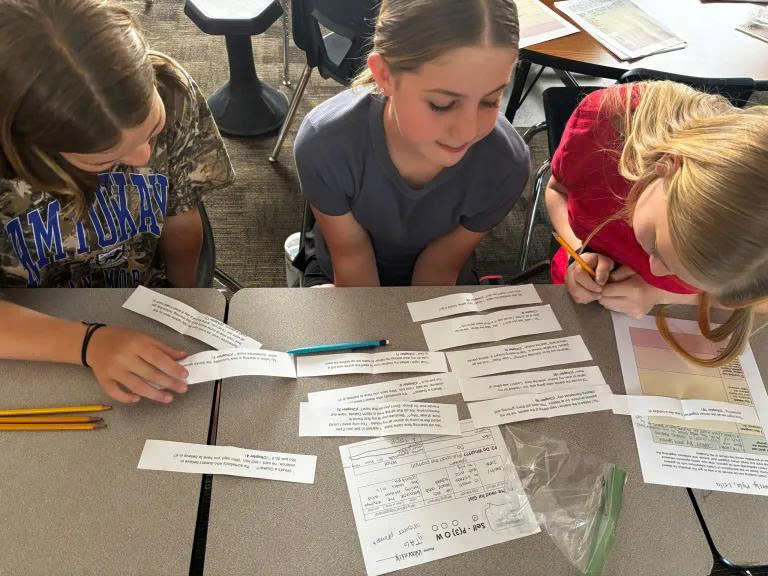
The strength of non-public preschools lies in their flexibility, innovative spirit, and ability to quickly update modern educational methods. Facing the ‘writing challenge’ of the future, let’s review our pre-elementary programs together, ensuring that every child graduating from preschool possesses dexterous hands, coherent thinking, and a heart full of confidence to be ready to conquer every letter!
